
What goes wrong, and what to do instead
St. Louis Hoarding Cleanup: Guide to Seven Cleanup Mistakes in St. Louis
The mistakes that cost families money, time and trust when they clear a hoarded home.
- St. Louis and eleven towns within 28 miles
- Written price before work starts
- Licensed, insured local contractors
- Occupancy inspection rules covered
St. Louis Hoarding Cleanup sees the same mistakes again and again when families take on a hoarded home in St. Louis. None of them is about effort. Families work hard. They are about order, permission and the local rules, and each one has a cheaper alternative.
1. Cleaning it out while they are away
The surprise cleanout is the most common and the most damaging. A relative goes into the hospital, the family empties the house, and the person comes home to find their things gone. Trust collapses, the house often refills faster than before, and an adult who is legally able to decide about their own home was entitled to decide. Clear what is unsafe with their agreement, and leave the rest for them.
2. Renting a dumpster and starting with the front room
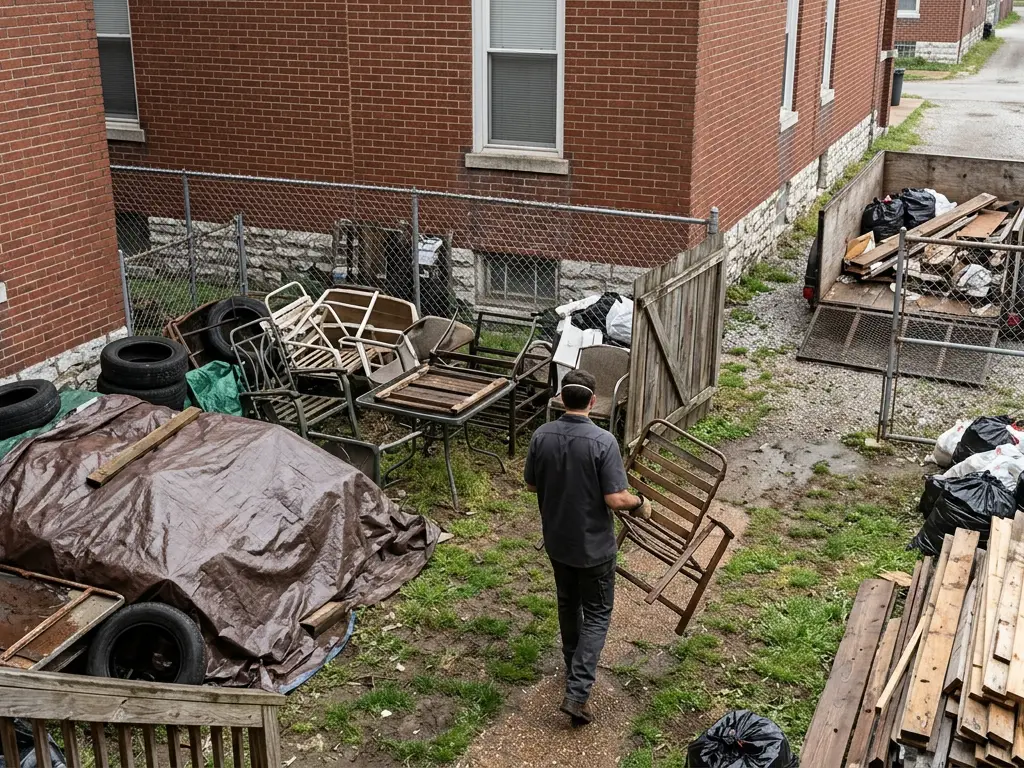
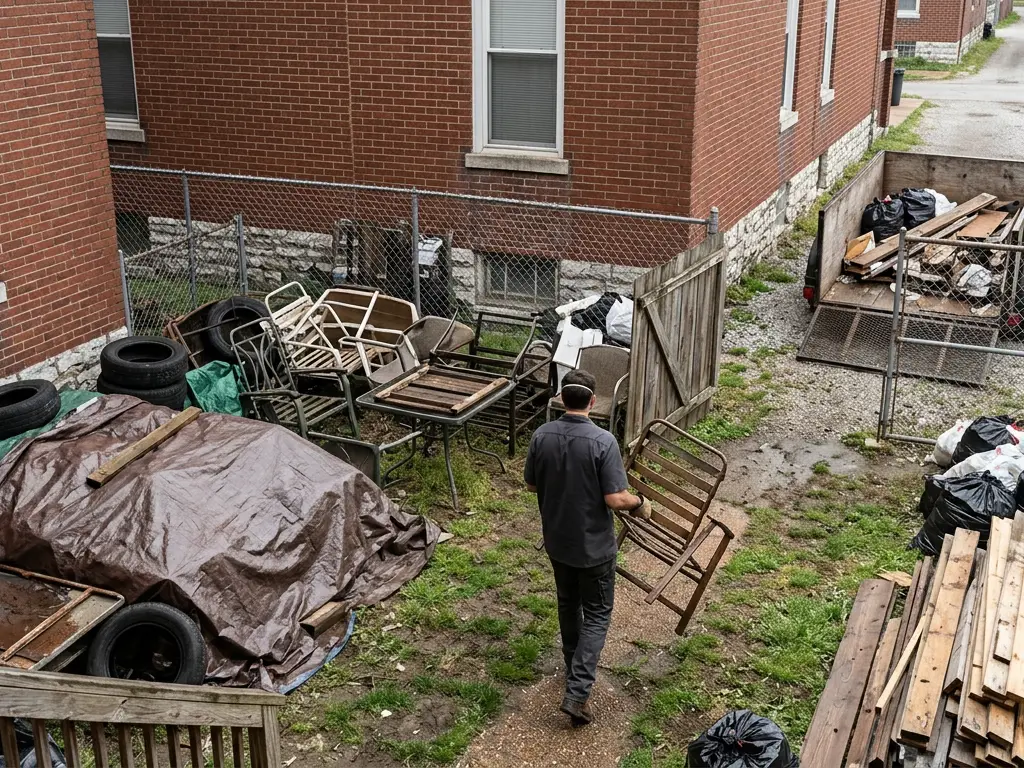
A dumpster in the driveway feels like progress, but working from the front room inward without a plan means carrying every bag through rooms that are still full. Clear exits and paths first, then the kitchen and bathroom, then the rest. And a dumpster cannot take appliances, tires, batteries or paint, which Missouri keeps out of landfills.
Not sure how big the job is? Describe the rooms and what is in them, and get a straight answer on what it usually takes.
Call (636) 216-64903. Throwing away paper without reading it
In a hoarded house the will, the deed, the car title, the insurance policy and sometimes cash are mixed into the paper. Families who bag everything to save time spend more later replacing documents, and some lose things that cannot be replaced. Search first, then bag. The estate cleanout page has the search list.
4. Missing the inspection date
Around St. Louis the occupancy inspection is the real deadline, and families who list a house before it is cleared find out the hard way. In the City of St. Louis the inspection application is $120, or $200 when the house is occupied without a current certificate, and violations must be corrected within 30 days. Book the cleanout backward from the inspection, not from the listing.
5. Getting a junk removal quote for a hoarding job
A crew priced for a few truckloads of chosen items arrives, finds a house that needs sorting, and the price changes on the spot. Ask for a cleanout quote after a walk-through. Junk removal typically runs $150 to $350 a truckload, while a whole hoarded house typically runs $2,000 to $6,000, and knowing which you are buying avoids the surprise.
6. Going in without protection
Even a clutter-level house has dust, mold spores on old paper, sharp objects in bags and the risk of a stack falling. Gloves, sturdy boots and a dust mask are the minimum. A house with animal or human waste, sewage or needles is not a family job at all, and it needs a remediation company.
Not sure how big the job is? Describe the rooms and what is in them, and get a straight answer on what it usually takes.
Call (636) 216-64907. Treating the cleanout as the end
For someone who still lives in the home, a cleanup without support is often undone within months. Pair it with help from a therapist who works with hoarding, and plan short follow-up visits. Families in places like Florissant, where the house is going to stay in the family, often set those up before the cleanout even ends.
What to do instead, in one list
- Agree what stays with the person who has authority over the house
- Clear exits, paths, kitchen and bathroom first
- Search for papers before bagging
- Plan to the inspection, closing or notice date
- Ask for a cleanout quote after a walk-through
- Leave biohazard conditions to a remediation company
- Plan support for afterward if someone is staying
The hoarder house cleanout page covers how a professional crew runs the job in that order.
Mistakes with money
Two money mistakes are worth a separate mention. The first is paying a large deposit before anyone has seen the house. A reputable crew gives a written price after a walk-through and is clear about what is included: hauling, disposal fees, appliance recycling, a sweep at the end. The second is assuming insurance or Medicare will pay. Generally they will not, and families who wait for an answer that does not come lose time against the deadline.
The cheapest cleanout is the one where the family has already taken what it wants, an estate sale has already cleared what could be sold, and the crew is booked well before the inspection or closing. The cost guide breaks down what moves the price.
Mistakes with the rules
Around St. Louis the local rules decide more than families expect. Landlords who clear a tenant's unit without following Missouri's notice process for abandoned property can be held liable. Sellers who list before the occupancy inspection lose weeks. Owners who ignore a code notice see the case move toward fines. In each case the fix is the same: find out which rule applies before the first bag is filled, and plan the cleanout around it rather than the other way round.
Mistakes with people
The last group of mistakes is about the people involved. Relatives who have not agreed what stays argue on the day, with the crew waiting and the clock running. A sibling who lives nearby ends up doing all the work and resenting it. The person who hoards is talked about rather than talked to. The fix is a short meeting before the walk-through: who has authority, what each relative wants kept, who will be there on each day, and how the person who lives there will be included. An hour spent on that saves days later.
In a family with a long history in the house, like many in the inner suburbs around Webster Groves, that meeting is often the hardest part of the whole job, and it is worth doing anyway.
Questions people ask
What is the biggest mistake when cleaning a hoarder's house?
Clearing it without the person's agreement while they are away. It destroys trust and the house often refills.
Can I put everything in a dumpster?
No. Missouri keeps major appliances, lead-acid batteries, waste oil and yard waste out of landfills, and paint and chemicals go to hazardous waste.
Should we go through all the paper?
Yes, at least quickly. Wills, deeds, titles, policies and cash often turn up in it.
How much does a whole hoarded house cost to clear?
Typically $2,000 to $6,000 around St. Louis, at $1 to $2 per square foot.
Is it safe for the family to do it?
Clutter-level work is, with gloves, boots and a mask. Animal or human waste, sewage or needles need a remediation company.
Talk it through before anyone carries anything out
Say how many rooms are affected, whether there is a deadline, and whether anything in the house needs to be kept. You will hear what the job usually involves, what it tends to cost, and how long it tends to take.
Call (636) 216-6490